Game Review: Cozy Sort Studio — Is It Worth Your Time?
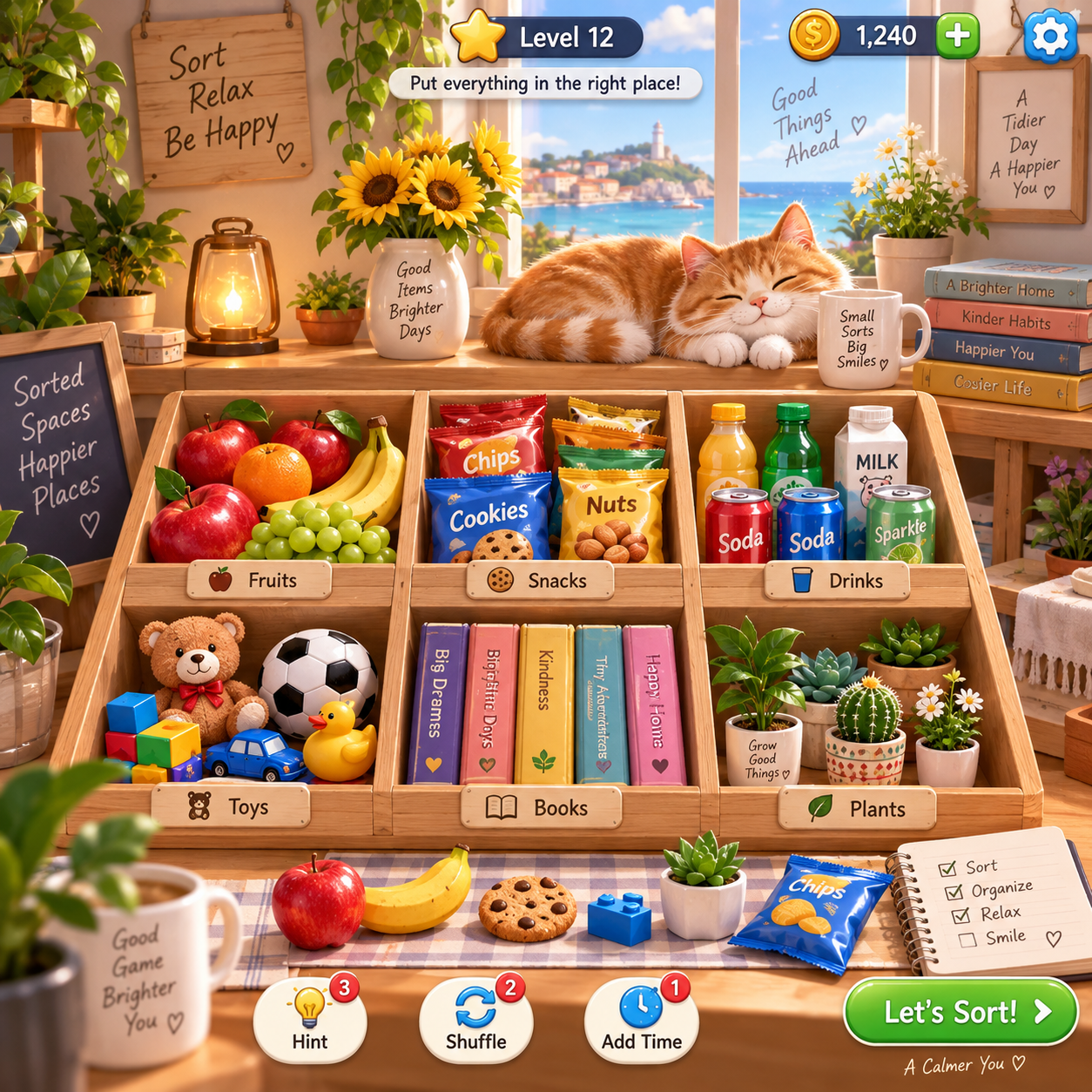
Casual games live or die by a simple promise: can they deliver satisfying entertainment without demanding hours of study or perfect reflexes? Cozy Sort Studio aims to answer yes with short organizing puzzles, gentle presentation, and a steady stream of small goals. This game review examines its gameplay mechanics, accessibility, progression system, replayability, and overall value for time.
Quick Verdict
Cozy Sort Studio is worth your time if you enjoy relaxed puzzle games, tidy visual feedback, and sessions that last only a few minutes. It is an easy recommendation for newcomers and casual players, although people seeking deep strategy, high difficulty, or substantial competitive features may find its later content repetitive.
The game’s strongest quality is its frictionless structure. You open a level, sort or arrange a collection of objects, complete a compact objective, and receive enough progress to make the next session feel worthwhile. The controls are easy to understand, the learning curve stays gentle, and failure rarely feels punishing.
- Best for: relaxed players, puzzle beginners, commuters, and fans of cozy presentation.
- Less suitable for: completionists who want hundreds of highly distinct challenges or players looking for competitive depth.
- Overall verdict: a polished time-filler with satisfying short sessions, held back by repetition and a progression system that eventually becomes predictable.
What Is Cozy Sort Studio?
Cozy Sort Studio is a casual organization puzzle game built around arranging objects into logical groups. It is designed for quick, low-pressure play on mobile, PC, and supported console platforms, with an audience that values accessibility over complexity.
Each stage presents a small workspace filled with items such as household objects, craft materials, food, tools, or decorative pieces. You identify relationships between them, place matching objects together, and gradually restore order to the scene. The premise is immediately readable, so the game does not need a lengthy tutorial or a plot-heavy introduction.
That focused format suits modern casual gaming. A typical level can be completed during a coffee break, while longer play sessions remain possible for players who enjoy clearing several stages in a row. The game also avoids demanding precise timing, which makes it more comfortable on a touchscreen than many action-oriented titles.
Platform availability matters here because the experience changes slightly by device. Mobile play emphasizes convenience and touch controls, PC offers a larger view and accurate pointer input, while console play can feel more deliberate with a controller. Players should check the relevant storefront before purchasing because features, pricing, and monetization can vary between versions.
Gameplay and Core Mechanics
The core gameplay mechanics are simple: inspect a cluttered space, identify matching categories, and place objects correctly before completing the level. The satisfaction comes from turning visual disorder into a clean, organized result rather than from elaborate rules or fast reactions.
Most stages follow a reliable rhythm. First, you scan the available objects and look for obvious pairs or groups. Next, you move items into suitable locations, often revealing additional space or making hidden patterns easier to see. Finally, you tidy up the remaining pieces and finish the scene.
The controls are intuitive. On mobile, tapping, dragging, and swiping handle most actions. A mouse makes the PC version especially precise, while a controller may require a little more patience when selecting small objects. None of these control schemes creates a serious barrier, but touch input can occasionally feel imprecise when several objects sit close together.
Good feedback supports the loop. Correct placements produce clear visual confirmation, while mistakes are usually recoverable without forcing a restart. This design choice protects the relaxed tone, though it also means experienced puzzle players may miss the tension of limited moves or strict timers.
The main trade-off is intentional simplicity. Choosing a low-pressure puzzle loop for accessibility means accepting fewer layers of strategy. You are solving visual organization problems, not building a complex plan several turns ahead. That works beautifully for a short break; it is less compelling if you want every level to challenge your reasoning in a new way.
Accessibility and Casual Appeal
Cozy Sort Studio is highly accessible because its learning curve is short, its difficulty rises gradually, and its session length supports occasional play. Most players can understand the basic interaction within minutes, even without prior experience with puzzle games.
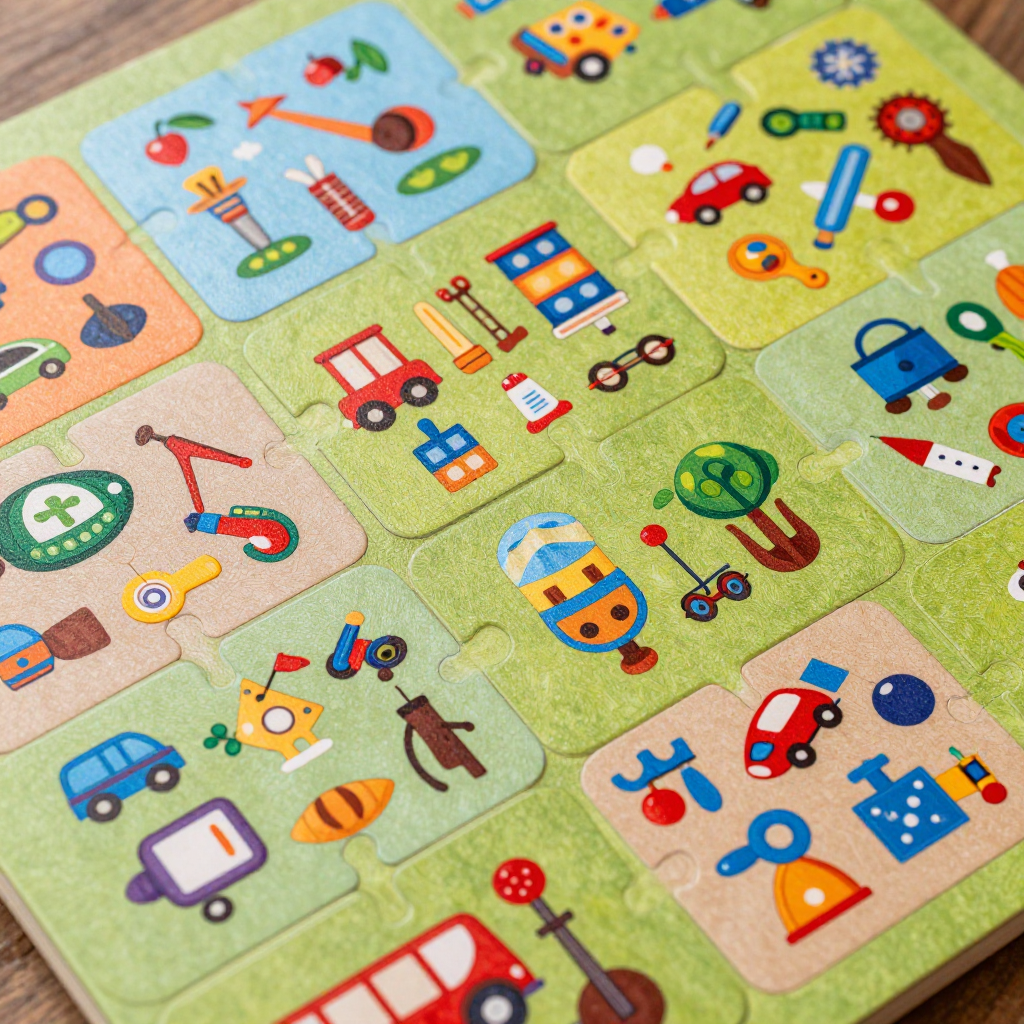
The onboarding avoids unnecessary complexity. Early levels introduce one idea at a time, allowing players to learn through interaction rather than reading long instructions. Visual cues also reduce the need for trial and error. Objects share colors, shapes, locations, or themes, so the solution often feels discoverable rather than arbitrary.
Its session structure is one of the game’s biggest advantages. A single stage commonly takes around three to ten minutes, depending on the player’s attention and the amount of clutter. That makes it easy to stop after one level without feeling that progress has been interrupted. Players can also complete several stages in one sitting when they want a longer, calmer experience.
Difficulty remains friendly, but that friendliness has limits. Later stages introduce more objects and less obvious relationships, yet the game rarely becomes genuinely demanding. A hint system or generous reset option may help beginners, although frequent assistance can reduce the small sense of discovery that gives each puzzle its purpose.
Accessibility also includes comfort. The relaxed pacing, readable interface, and absence of strict reaction tests make the game suitable for players who prefer low-stress entertainment. People with visual or motor needs should still review the platform’s available settings, including text size, input customization, contrast, and motion controls, because implementation can differ by version.
Progression, Replayability, and Content
The progression system keeps players returning through new scenes, unlockable themes, and incremental goals, but replayability depends more on relaxation than on deep strategic variation. The game offers enough content for regular short sessions, though repeated puzzle patterns become easier to notice over time.
Progress usually comes from completing levels and earning rewards that open new environments, object sets, or decorative options. This creates a useful sense of movement without making players grind for basic functionality. A successful stage feels like a small achievement, and the next unlock provides a clear reason to continue.
Replayability has three layers:
- Completion: clearing every available stage and reaching later areas.
- Mastery: improving completion speed, reducing mistakes, or earning optional ratings.
- Comfort play: returning for a familiar, calming activity rather than a new challenge.
The third layer is where Cozy Sort Studio performs best. Like a word puzzle or digital coloring book, it can be enjoyable even when the basic format is familiar. However, players who need constant mechanical novelty may reach the repetition threshold sooner. Similar object categories, predictable placement logic, and familiar level layouts can make later content feel like more of the same.
There is also a question of monetization. If optional hints, cosmetics, or extra level packs are fairly priced and clearly separated from the core experience, they are easy to ignore. Intrusive advertisements, energy timers, or repeated prompts to buy assistance would weaken the game’s calming identity. Before committing money, check the current store description and user reviews for the exact version you plan to play.
Strengths and Weaknesses
Cozy Sort Studio’s main strengths are its approachable controls, short session length, and satisfying visual feedback. Its weaknesses are a modest challenge ceiling, possible repetition, and the risk that platform-specific monetization affects the otherwise peaceful flow.
What it does well
- Immediate accessibility: the premise and controls are understandable within the first few minutes.
- Flexible pacing: short levels work for quick breaks, while consecutive stages support longer sessions.
- Low-pressure design: forgiving mistakes make the game welcoming to beginners and occasional players.
- Clear feedback: completed arrangements feel visually rewarding and easy to understand.
- Broad platform appeal: mobile, PC, and console options let players choose the control method they prefer.
Where it falls short
- Limited strategic depth: the game rarely asks players to plan several steps ahead.
- Predictable progression: unlocks provide motivation, but they may not substantially change how the game is played.
- Repetition: familiar sorting patterns can reduce excitement during longer sessions.
- Potential interface friction: small objects may be awkward to select on some touchscreens or with a controller.
- Version differences: performance, advertisements, pricing, and content can vary by platform.
The fairest way to judge the game is by its intended purpose. It is not trying to replace a complex strategy title or a competitive esports game. Its quality depends on whether its calm, compact loop remains pleasant after the novelty fades.
Is Cozy Sort Studio Worth Your Time?
Cozy Sort Studio is worth playing for relaxed puzzle fans who value accessibility, short sessions, and steady progress more than intense challenge. Try it if you want a welcoming mobile, PC, or console game that can fill five quiet minutes without demanding full concentration.
Newcomers should feel comfortable starting here because the controls and rules are easy to learn. Relaxed players will appreciate the forgiving difficulty and tidy visual feedback. It is also a good choice for anyone who prefers games that can be paused or abandoned between levels without losing momentum.
Completionists may enjoy the unlock structure and optional goals, but should set expectations carefully. The game offers a satisfying checklist rather than a deep endgame. Players seeking demanding puzzles, competitive rankings, complex progression, or major mechanical variety may be better served by a strategy or logic game with a higher challenge ceiling.
My recommendation is to try the free version or introductory content first when available. Play long enough to complete several levels, then ask a practical question: do you enjoy the act of sorting itself, or only the first impression? If the former is true, the game can provide reliable value for time. If the loop already feels repetitive after a short sample, later unlocks are unlikely to transform the experience.
Frequently asked questions
What type of game is Cozy Sort Studio?
It is a casual organization and sorting puzzle game focused on arranging objects into matching groups or logical spaces.
Is Cozy Sort Studio easy for beginners?
Yes. The learning curve is gentle, the controls are intuitive, and mistakes are generally forgiving.
How long are typical play sessions?
Individual levels usually fit into roughly three to ten minutes, making the game suitable for short breaks or occasional play.
Does Cozy Sort Studio offer enough replayability?
It offers solid replayability for players who enjoy calming repetition, unlocks, and completion goals. Those seeking constantly changing mechanics may find it limited.
Who should play Cozy Sort Studio?
Play it if you want a low-pressure casual game with accessible gameplay mechanics and flexible session length. Skip it if you need high difficulty, competitive systems, or substantial strategic depth.