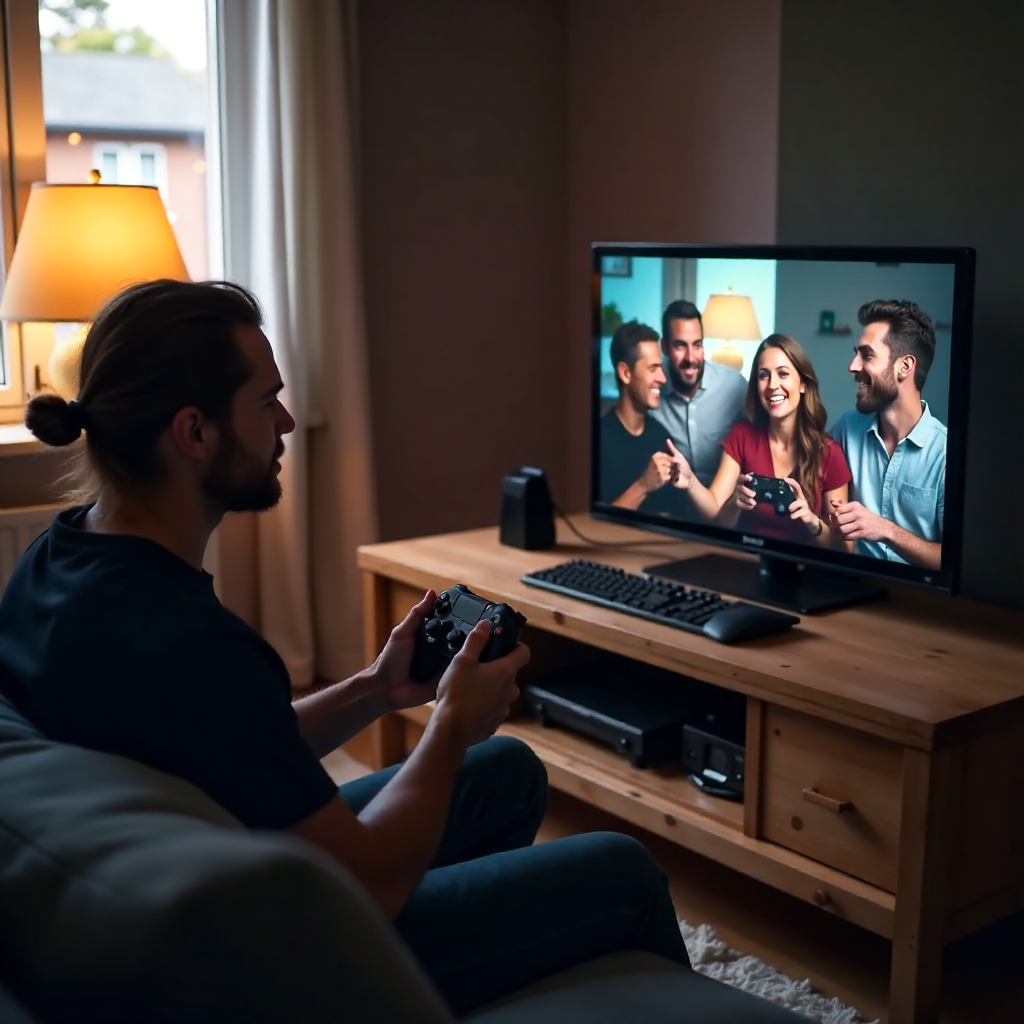
How to Get Started in Casual Gaming: A Beginner’s Guide
What Is Casual Gaming?
Casual gaming refers to playing video games that are easy to pick up and enjoy without intense competition or long time commitments. Unlike esports or competitive gaming, casual games focus on fun and relaxation rather than skill mastery or ranking.
This style of gaming is characterized by its accessibility and flexibility, allowing players of all ages and backgrounds to engage with minimal stress. While esports demands high-level strategies and fast reactions, casual gaming welcomes anyone looking for a light, engaging pastime.
Why Choose Casual Gaming?
Choosing casual gaming offers the benefits of enjoyment, low pressure, and easy accessibility. It allows players to unwind and have fun without the stress or time demands of competitive play.
Besides being relaxing, casual games can improve hand-eye coordination and cognitive skills in a stress-free environment. Plus, they require minimal setup, making them ideal for those new to gaming or with limited free time. The social aspects, including party games and online communities, add enjoyment without intense rivalry.
Essential Gaming Platforms for Beginners
The main platforms for casual gaming are mobile devices, PCs, and consoles, each offering unique advantages for beginners. Mobile gaming is highly accessible with touch controls and a massive variety of free or low-cost casual titles.
PC gaming offers a vast library of casual games with simple interfaces, while consoles like the Nintendo Switch provide family-friendly, social game experiences. Beginners should choose a platform based on convenience, existing devices, and the type of gameplay they prefer, whether solo or social.
- Mobile: Easy to start, no extra hardware needed beyond your smartphone or tablet.
- PC: Good for simulation and puzzle games, often with mouse/keyboard controls.
- Consoles: Best for party and cooperative games with friends or family.
Popular Casual Game Genres to Try
The best casual games fall into genres like puzzle, simulation, and party titles, all designed to be beginner-friendly and entertaining. Puzzle games stimulate the mind and often have intuitive mechanics, making them perfect first choices.
Simulation games, such as virtual farming or city-building, offer relaxing experiences with manageable learning curves. Party games encourage social interaction and are perfect for playing with friends or family, emphasizing fun over complexity.
- Puzzle games: Examples include Candy Crush and Tetris.
- Simulation games: Titles like Stardew Valley or The Sims.
- Party games: Mario Party or Jackbox games.
- Casual strategy: Games like Plants vs Zombies that mix ease with tactical decisions.
How to Pick Your First Casual Game
To pick your first casual game, consider your interests, the game’s difficulty, and whether you want solo or social play. Start with games that have simple tutorials or adjustable difficulty to avoid frustration.
Look for games that match your preferred pace — whether you want something quick for short sessions or a deeper experience to relax with after work. Online forums and community reviews can help guide your choice by highlighting which games beginners enjoy most.
Try free or demo versions first to find your fit without upfront cost. Also, decide if you want mobile convenience or something for your PC or console setup, since playing environment affects enjoyment too.
Getting Set Up: Hardware and Software Basics
Starting casual gaming requires minimal hardware. For mobile gaming, a smartphone or tablet with internet access is enough. For PC gaming, a basic computer with a reliable internet connection and updated graphics drivers will do.
Consoles like the Nintendo Switch or PlayStation offer plug-and-play options with dedicated casual game stores. Software-wise, most casual games are lightweight and do not need high-end specs, making entry-level devices suitable for beginners.
Essential setup steps include installing the game from official sources, creating any required accounts, and getting comfortable with controls through tutorials. Investing in a comfortable controller or headset can enhance social game sessions but is not mandatory at the start.
Tips for Balancing Casual Gaming with Life
Balancing casual gaming with daily responsibilities is key to maintaining gaming as a healthy hobby. Set time limits to avoid excessive play; for most beginners, 30 minutes to an hour per day is a good starting point.
Use casual gaming as a way to relax or socialize without letting it interfere with work, exercise, or sleep. Scheduling gaming sessions after daily tasks or on weekends reduces stress and guilt.
Joining supportive gaming communities or forums can help you stay mindful of time and keep gaming enjoyable rather than compulsive. Most importantly, remember casual gaming is about fun, not achievement targets.
Frequently Asked Questions (FAQ)
What is the difference between casual and competitive gaming?
Casual gaming focuses on fun, accessibility, and light play without intense competition, whereas competitive gaming requires high skill, training, and tournament play aiming for rankings or prizes.
Are casual games free to play?
Many casual games are free to download and play, especially on mobile platforms, though some offer in-app purchases or premium versions. Free games can provide a full experience without payments.
Can casual gaming improve skills useful in esports?
Casual gaming can develop hand-eye coordination, strategic thinking, and problem-solving, which are foundational skills for esports, but it does not replace focused competitive training.
How much time should a beginner spend gaming daily?
Beginners should start with 30 to 60 minutes per day, adjusting based on enjoyment and life balance to prevent fatigue or interference with other activities.
Where can I find communities for casual gamers?
Casual gaming communities thrive on platforms like Reddit, Discord, and game-specific forums. Social media groups and official game websites also offer spaces to connect, share tips, and find gaming friends.