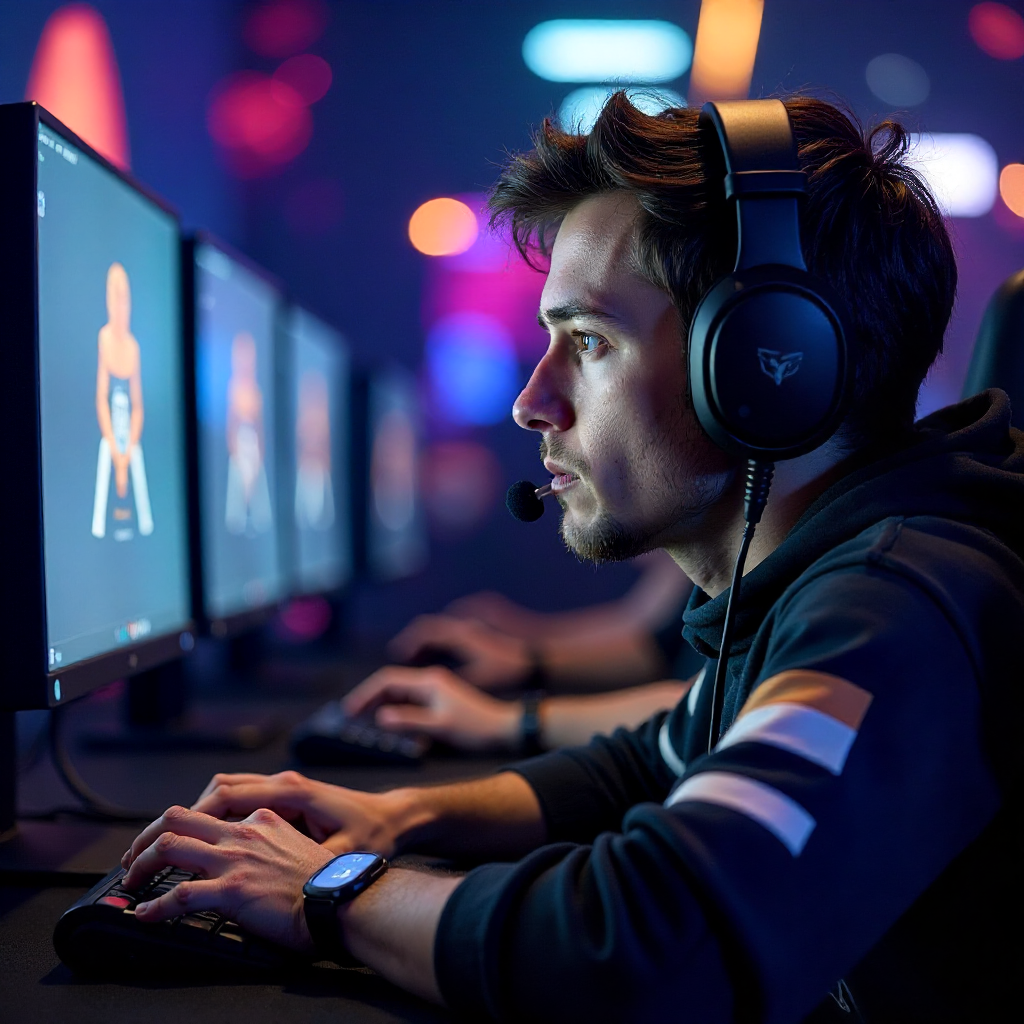
The Evolution of Esports: From Niche Hobby to Mainstream Phenomenon
Introduction to Esports
Esports refers to organized, competitive video gaming where professional players or teams compete in popular games for prizes and prestige. Once a niche hobby practiced by small communities, esports has rapidly grown into a mainstream phenomenon attracting millions of viewers worldwide.
Competitive gaming today encompasses various genres like real-time strategy, first-person shooters, and multiplayer online battle arenas (MOBAs), supported by global tournaments, leagues, and vast player communities. This surge has been driven by advances in technology, streaming, and corporate investment.
Early Days: Grassroots and Niche Communities
Esports originated in the 1980s and 1990s as informal contests in arcades and LAN parties, where passionate gamers competed in titles like Street Fighter and StarCraft. During this time, esports struggled to break into the mainstream due to limited internet access, small prize pools, and minimal media coverage.
Early barriers included technical constraints and a perception of video gaming as casual entertainment rather than a serious sport. Yet, grassroots communities formed around gaming clubs and tournaments, creating the foundational culture for future growth.
These communities cultivated player skill and fan engagement, even as esports events remained largely localized. The rise of internet cafes and the spread of broadband in the early 2000s helped connect players internationally, setting the stage for competitive gaming's expansion.
Breakthrough Titles That Shaped the Industry
Certain games became milestones in esports history by attracting massive audiences and defining competitive standards. League of Legends, Dota 2, and Counter-Strike are pillars that propelled esports into the spotlight.
League of Legends popularized the MOBA genre with its accessible gameplay and regular seasons via the League Championship Series (LCS), fostering player loyalty and large fanbases. Meanwhile, Dota 2 set records with The International, a tournament boasting multi-million dollar prize pools funded partly through community contributions, showcasing esports’ financial potential.
Counter-Strike revolutionized first-person shooters with its tactical depth and spectator-friendly format, spawning numerous leagues worldwide. These titles not only shaped gameplay styles but also helped establish the infrastructure for professional competition, including rankings, streaming support, and sponsorships.
Technology and Streaming: The Catalyst for Growth
Streaming platforms like Twitch and YouTube Gaming fundamentally changed esports by making live competitive gaming accessible globally in real time. These platforms enabled audiences to watch matches, interact with players, and form fan communities from anywhere.
Before streaming, esports suffered from limited broadcast options restricted to niche channels or physical venues. Streaming lowered barriers to entry for fans and creators alike, generating unprecedented viewership and monetization opportunities.
Interactive features like chat rooms and real-time commentary deepened engagement, turning casual viewers into loyal fans. Furthermore, esports organizations leveraged these platforms to market teams and highlight player personalities, creating entertainment beyond the gameplay.
On the technological front, broadband improvements, powerful gaming hardware, and multiplayer infrastructure supported smoother competition and richer viewer experiences. Accessibility rose as mobile and console esports scenes grew alongside PC genres, broadening demographic reach.
The Rise of Professionalism: Teams, Leagues, and Sponsorship
Esports evolved into a structured industry by developing formal teams, leagues, and sponsorship deals akin to traditional sports. Players became full-time professionals with contracts, salaries, and dedicated training regimens.
Leagues such as the League Championship Series and global tournaments like The International introduced season formats, point systems, and standardized rules that enhanced competitive integrity and fan attraction.
Sponsorships from major brands in technology, energy drinks, apparel, and media injected capital into esports. Prize pools grew from thousands to tens of millions of dollars, elevating stakes and player incentives.
This professionalism led to higher production values in broadcasting and event management, fostering legitimacy and mainstream credibility. Esports organizations expanded to include coaching staff, analysts, and marketing teams, reflecting mature business models.
However, rapid growth presented challenges such as player burnout, regulatory gaps, and balancing commercial interests with community needs—a complexity many in the scene continue to navigate.
Cultural Impact and Mainstream Recognition
Esports’ cultural influence extends beyond gaming, entering mainstream media, fashion, and entertainment. Coverage by major news outlets, appearances on prime-time TV, and collaborations with celebrities signal broader acceptance.
Fanbases for esports stars rival those of traditional athletes, with social media followings, merchandise, and fan conventions fueling vibrant communities. These cultural intersections attract diverse audiences and blur lines between sports, pop culture, and technology.
Institutionally, esports tournaments draw millions of viewers online, sometimes surpassing traditional sporting events in ratings. Cities worldwide now host large-scale esports events, boosting local economies and tourism.
Educational institutions have begun offering scholarships for esports athletes, and colleges sponsor competitive teams, further embedding esports into societal frameworks.
Future Trends and Challenges
Esports is poised for continued growth driven by innovations like virtual reality, AI-enhanced coaching, and blockchain-based fan engagement. Emerging titles and genres promise to diversify the competitive landscape even more.
However, challenges remain including the need for standardized player welfare policies, combating cheating and toxicity, and addressing burnout among rising esports professionals.
The sustainability of prize pools and sponsorship revenue will depend on balancing commercialization with authentic community involvement. Moreover, geographic expansion into Asia, Latin America, and Africa highlights both enormous opportunity and logistical complexity.
Whether esports becomes an Olympic sport is debated, but its global viewership and professional ecosystem make that a realistic prospect in the coming decades.
Overall, esports’ evolution reflects a dynamic intersection of technology, culture, and competition, continually redefining what sports and entertainment can be in the digital age.
Frequently Asked Questions
What is esports and how is it different from casual gaming?
Esports is organized, competitive video gaming with professional players, teams, and formalized tournaments. Casual gaming is recreational play without structured competition or high stakes.
Which games are considered the pillars of esports?
Major esports titles include League of Legends, Dota 2, and Counter-Strike, as these games have large competitive scenes, established leagues, and significant viewership.
How has streaming changed the esports landscape?
Streaming platforms like Twitch have exponentially expanded esports’ global audience by broadcasting live matches, enabling fan interaction, and providing revenue streams for players and organizations.
What opportunities does esports present for players and brands?
Players can pursue professional careers with salaries, sponsorships, and media exposure. Brands gain access to engaged, younger demographics through events, team partnerships, and digital advertising.
Will esports become an Olympic sport someday?
While not yet an Olympic sport, esports’ increasing legitimacy, international competitions, and governance bodies make its inclusion a possibility in future Games.