The Psychology of Competitive Gaming: What Makes Pro Players Tick
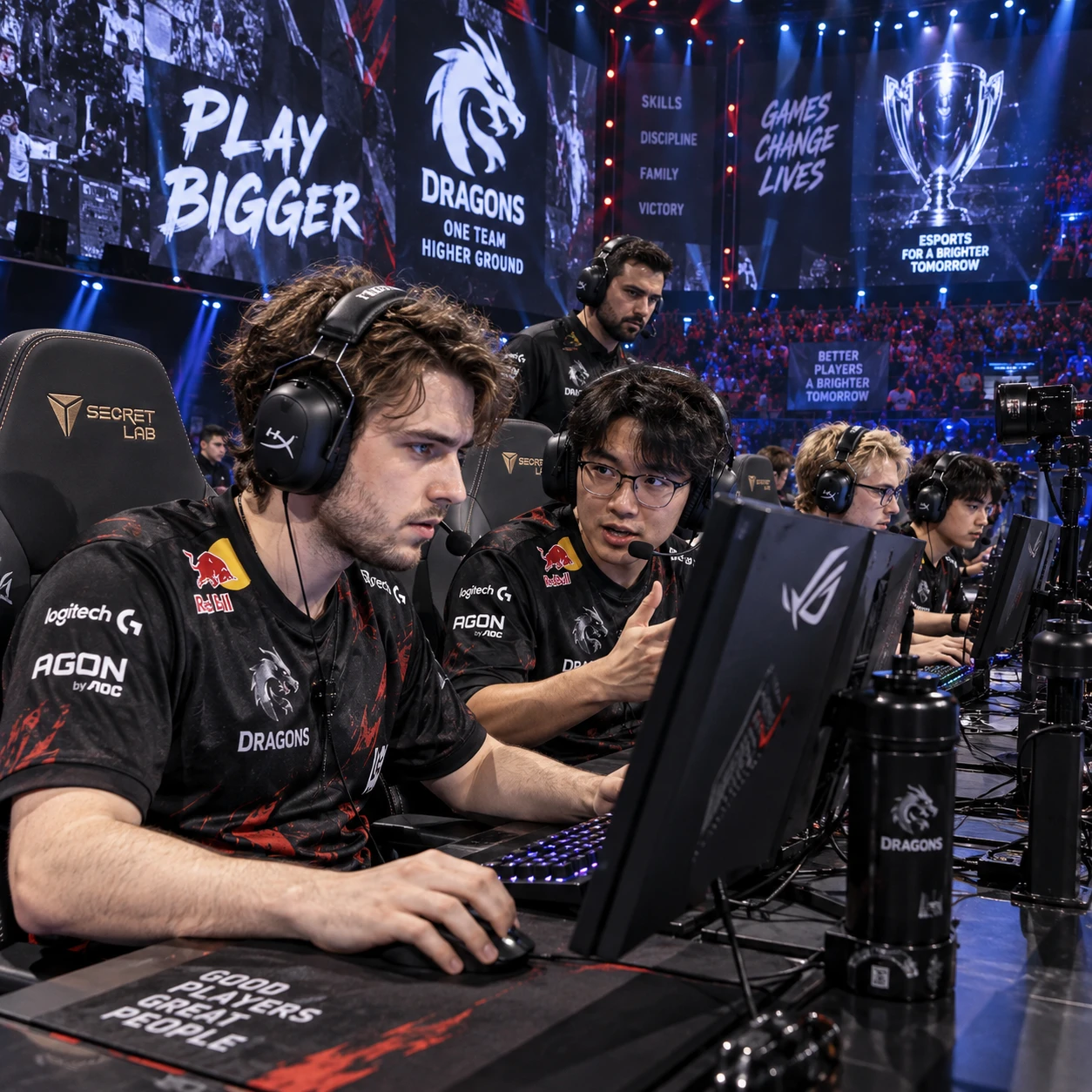
A pro player’s decisive moment may last only a few seconds: spot an opponent, judge the risk, coordinate with a teammate, and act before the opening disappears. Competitive gaming asks for more than quick hands. It draws on attention, motivation, confidence, emotional regulation, and the ability to make decisions under pressure.
Those demands vary by game and role. A tactical shooter rewards precise information and timing; a fighting game may turn on reading one opponent; a multiplayer online battle arena (MOBA) asks players to track a changing map and coordinate long-term plans. Understanding these differences helps explain what makes esports professionals tick, and why strong mechanics alone do not guarantee consistent results.
Why Players Pursue Professional Competition
Players pursue professional competition for a mix of mastery, achievement, recognition, and the challenge of testing themselves against strong opponents. Motivation can sustain the demanding work behind improvement, though it does not guarantee success or enjoyment at every stage.
Some competitors are drawn to measurable progress: cleaner aim, sharper execution, or a better read of an opponent’s habits. Others value the contest itself, the chance to prove a strategy against people who can punish mistakes. Recognition, team belonging, and career opportunities can matter too. These motives often overlap, and they can shift as a player moves from ranked matches into organized competition.
A useful way to understand that mix is to think in three layers:
- Mastery: The satisfaction of learning a difficult mechanic, role, or matchup.
- Competition: The drive to test decisions and skill against capable opponents.
- Meaning: The value a player finds in team identity, audience recognition, or a career goal.
Each layer can help a player persist, but each has a trade-off. Chasing rank alone can make a loss feel like a judgment of personal worth. External rewards can also become unreliable when results dip. Sustainable motivation tends to leave room for process goals, such as reviewing a specific decision or improving communication, alongside the ambition to win.
Focus and Fast Decision-Making Under Pressure
Focus and fast decision-making help players notice the information that matters and act before a brief opportunity closes. In competitive gaming, attention must stay selective: players need to track relevant cues without treating every sound, movement, or teammate call as equally important.
In a tactical shooter, a player may listen for footsteps while holding an angle and waiting for a teammate’s signal. In a MOBA, a support player might monitor the minimap, cooldowns, and the position of an objective before deciding whether to engage. The challenge is not simply reacting quickly. It is choosing which information deserves attention, then making a decision with incomplete knowledge.
High stakes can narrow attention, which sometimes helps a player commit to a clear task but can also make them miss changes elsewhere. Teams reduce that risk by agreeing on concise callouts and plans before a fight. A short, shared cue is easier to process than a stream of overlapping commentary.
Players can train focus by reviewing moments when they looked at the wrong cue or acted on outdated information. They can also rehearse a small number of decision rules, such as when to disengage or which objective takes priority. These rules are aids, not substitutes for judgment: opponents adapt, and game states rarely repeat exactly.
Confidence, Anxiety, and Emotional Control
Confidence helps players commit to a sound decision, while emotional control helps them respond to mistakes without losing track of the next play. Performance anxiety is a common pressure response, but its intensity and effects differ between players and situations.
Nerves can appear before a final, during a close round, or after an early error. Some players feel keyed up and act too quickly; others hesitate over choices they usually make with ease. Confidence does not mean feeling no doubt. It means having enough trust in preparation to choose a reasonable action without demanding certainty.
Tilt describes a state in which frustration or discouragement begins to distort play. After losing a duel, for example, a player might chase a rematch, ignore a safer route, or blame a teammate instead of sharing useful information. Emotional regulation starts with noticing the change, naming what can be controlled, and returning attention to the next objective.
A simple reset can be practical: take one slow breath between rounds, state the immediate plan, and use a neutral callout. This is not a clinical treatment, and it will not erase every reaction. If distress is persistent or affects life outside competition, a qualified mental-health professional is better placed to help than a match-day routine.
Practice, Feedback, and Resilience
Deliberate practice improves performance when players work on a specific skill, receive useful feedback, and apply what they learn in later matches. Resilience helps them treat setbacks as information, rather than proof that improvement is impossible.
Simply playing more games can build familiarity, but volume alone may reinforce habits that need changing. A more focused review asks a narrow question: Was the timing late? Did the player miss a map cue? Did the team disagree about the target? A short clip or replay can make the answer easier to see than a vague judgment such as “we played badly.”
A workable practice loop has four steps:
- Choose one target: Pick a repeatable problem, such as overcommitting after an advantage.
- Gather evidence: Review replays, practice drills, or team feedback for examples.
- Test a change: Use a specific cue or strategy in scrims and ranked play.
- Reassess: Check whether the change helped, and adjust if the situation calls for it.
Players should also distinguish a learning opportunity from a fixable mistake. A well-chosen risk can fail because an opponent made a strong read; a repeated positioning error may call for a change. Review works best when it is specific and respectful. Too much criticism, especially without an actionable alternative, can make players defensive and less willing to share uncertainty.
Team Dynamics and Communication
Team communication improves performance when it gives players timely, clear information and supports coordinated decisions. Trust matters because teammates need to share what they see, follow agreed plans, and adapt when the match stops going as expected.
Effective communication is more than talking often. A useful callout identifies what teammates need to know, such as an opponent’s location, a resource being used, or a plan to disengage. In a coordinated attack, one player may call the target while others confirm their roles. That division reduces hesitation and makes team actions easier to synchronize.
Teams also need room to question a plan without turning disagreement into blame. After a lost round, “we lacked vision before the objective” points toward a reviewable problem. “You threw” shuts down the conversation and tells the team little about how to improve. Trust does not require constant agreement; it requires a shared expectation that feedback will serve the next decision.
Communication habits should fit the game and roster. A team with established shorthand may need few words; a newer lineup might benefit from explicitly confirming roles and priorities. More detail can prevent confusion, but excessive callouts can bury the information players need most.
How Game Design Shapes the Mental Challenge
Game design shapes the mental challenge by setting the pace, the information players can see, the consequences of mistakes, and the amount of coordination each role requires. A mindset that works well in one esports title may not transfer neatly to another.
In a fighting game, a competitor may focus on one opponent’s habits, spacing, and timing, then adjust across a set. A battle royale adds uncertainty: players make decisions with incomplete information as the safe area and available resources change. A team-based shooter places extra weight on role clarity, timing, and concise calls. MOBAs often demand broader strategic attention, including map pressure, objectives, and coordinated fights.
These differences affect preparation. A player in a fast round-based game might practice quick reset routines between rounds. A competitor in a longer strategy match may need to maintain attention while managing changing priorities over more time. Neither format is universally more demanding; they place different loads on attention, emotional regulation, and decision-making under pressure.
Coaches and players can use a simple design check when building mental routines: What changes fastest? What information is easiest to miss? What mistake is most costly? The answers point toward relevant practice, whether that means rehearsing communication, reviewing rotations, or learning to pause before a high-risk commitment.
Frequently Asked Questions
What mental skills matter most in esports?
Focus, decision-making, confidence, emotional regulation, and communication are central mental skills in esports. Their relative importance depends on the game, role, and competitive situation.
How do pro players deal with tilt?
Players can notice the emotion, take a brief reset when the format allows, and refocus on a controllable task such as the next callout or objective. Teams can help by keeping post-mistake feedback specific and avoiding blame.
Can psychological skills be trained?
Yes. Players can practice routines for attention, review decisions in replays, rehearse team callouts, and use structured feedback. Progress varies, and these habits support game practice rather than replacing it.
How does team communication affect performance?
Clear communication helps teammates share information, coordinate timing, and update plans. Too many or unclear callouts can create distraction, so teams benefit from agreed language and role-specific responsibilities.